
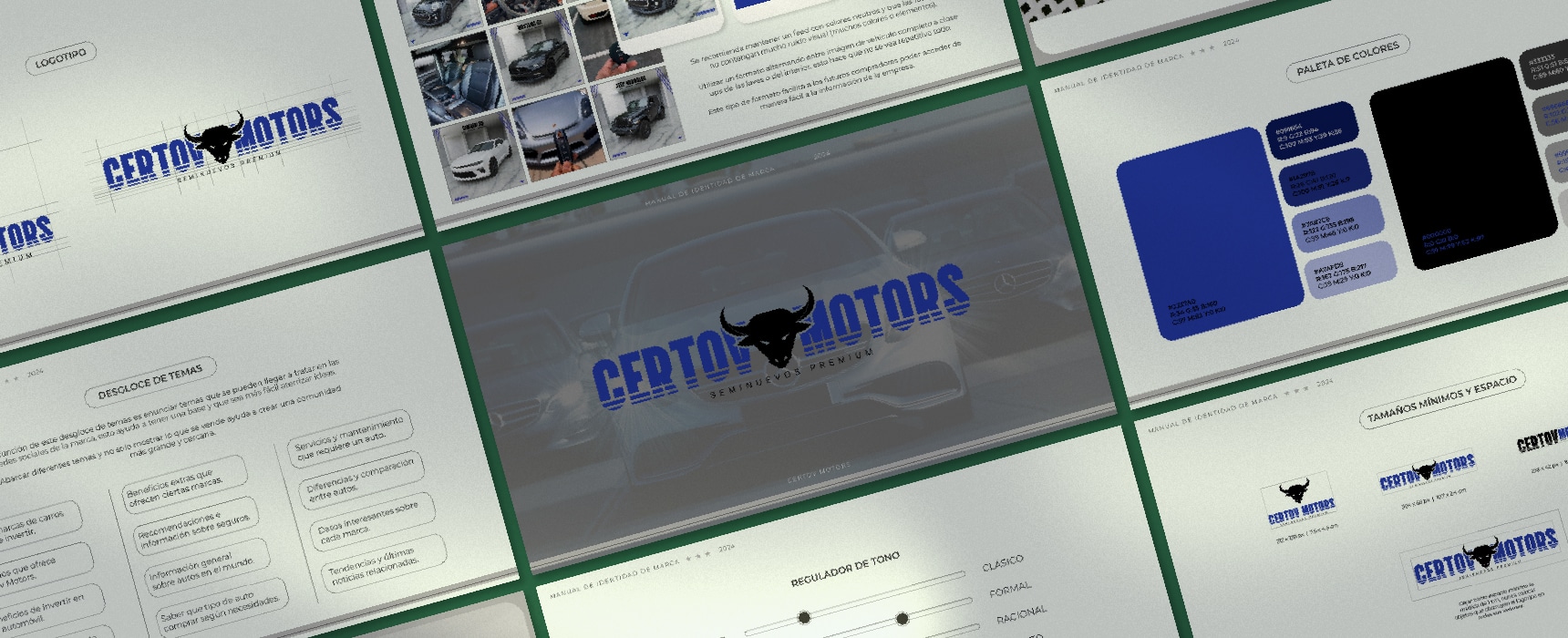
What exactly is a Brand Book?
A Brand Book is the official name of the document you receive with all the important elements, decisions, and strategies of your business branding.
You may see a lot of different versions of this one, because all design agencies work differently. Some may include or exclude some information, but it is really important that you feel comfortable with the Brand Book you are receiving and that it is comprehensive.
A more technical term for a Brand Book is a ‘Style Guide’ or ‘Brand Standards Manual.’ Regardless of the name, its core function remains the same: to be the single source of truth for your brand identity. It translates your company’s values and mission into concrete, actionable visual and verbal rules.
This isn’t just a collection of pretty files; it’s a strategic asset designed to ensure every touchpoint, from your website to a printed flyer, feels like it came from the same reliable, recognizable brand.

What goes inside a Brand Book: The Essentials
Before starting your branding journey with a design agency, you can ask them to show you how their Brand Book looks or what it includes. Don’t be shy asking or wanting more information. Down below, I’ll enlist some of the essentials a Brand Book should have.
Logo information
This section includes your logo, the logo variations, and the monochromatic logo; all of this is essential when you are building a brand! If your Brand Book doesn’t have this, that’s a major red flag. A lot of the time, a brief description of the logo philosophy or research is included, but not always.
Beyond the files themselves, a professional Brand Book must detail the ‘exclusion zone’ or ‘clear space’ around the logo. This measurement prevents visual clutter and ensures legibility.
It should also specify minimum size requirements for both digital and print applications to avoid distortion or loss of detail, which is crucial for maintaining a polished image.

Brand Elements
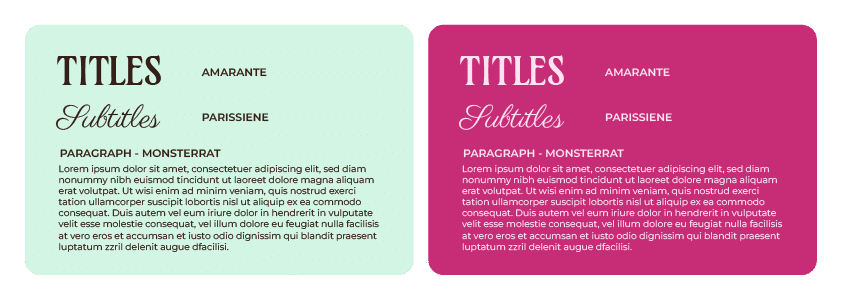
The most common ones are color palette and typographies, but for some projects, here you may find illustrations, shapes, elements, backgrounds, and more. It depends on the agency you are working on and the kind of project or service.
The color palette section should include not just the swatches but the precise color codes for every medium: CMYK (for print), RGB and Hex Codes (for digital screens), and Pantone (for specific commercial printing needs).
Similarly, the typography section must specify the primary and secondary fonts, detailing when to use them (e.g., headings, body text) and providing fallback web-safe fonts for maximum digital consistency.
Brand Guidelines
In this section, you can basically find what to do and what not to do with your logo or brand elements. This will help to avoid mistakes when printing or creating content for different media.
Everyone using the Brand Book should be able to know exactly what to do for future brand designs.
A comprehensive Brand Book goes beyond visuals to include the ‘Verbal Identity.’
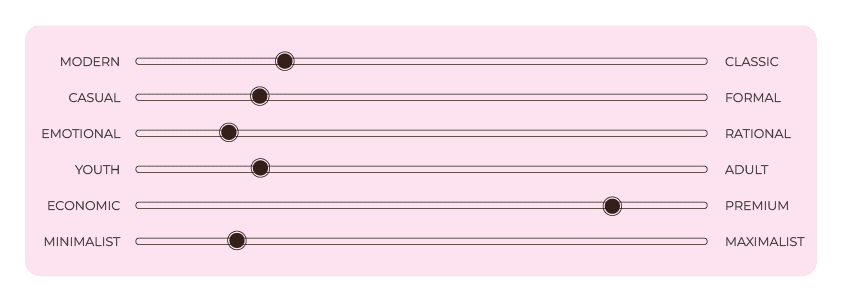
This defines your brand’s voice and tone; is it playful, authoritative, technical, or warm? It includes guidelines on messaging, vocabulary to use (and avoid), and even how to handle social media interactions. This ensures that whether a customer is reading your website copy or a customer service email, the ‘personality’ of your brand remains absolutely unified.
These are some essentials that almost all Brand Books include, but of course, it depends a lot on the kind of package and service you got.
For more complete projects, you may find social media templates or posts, examples of use, packaging, stationery, etc.
Saving time and money: the secret to consistent branding
What if I tell you that having a well-documented Brand Book is the key to long-term branding success? A lot of small businesses pay a designer to make them their “branding,” but then they don’t have any idea on what to do next.
Following the Brand Book is the key for that! That’s why it should be a really good work and written so anyone can be able to understand it.
If you invest in a good designer or design agency from the beginning, you’ll save a lot of time and money in the future, trust me, it is a good investment. If in the future you decide to design your own content or work with another designer, it will be really easy to follow the guidelines, and you should have all the elements and tools to use anywhere.
Build a strong identity on social media
If you have ever tried to design your own content, you might know how hard it can be, and let’s be real, not everyone can design good content; it needs a lot of knowledge, research, and strategy behind it. Having the foundations of your brand will make it easier to design everything else consistently, it doesn’t matter if it’s you or an expert.
However, remember that consistency doesn’t mean rigidity. Once your Brand Book is complete, you don’t have to tackle the continuous creation of content alone.
You can always invest in a professional, like an experienced social media manager or a specialized design agency (like Sweet Breeze!), to work on all your ongoing content.
If you are not sure about investing in an agency for your business, you can learn more about it on another one of our blogs: Why Choosing the Right Design Agency is Crucial for Your Small Business Launch?
This way, you don’t need to stress so much about the day-to-day execution; you can trust that their work will always be guided by the strong foundations you already own.
When you have all the fundamentals of your brand, your content shouldn’t be affected if you change your designer. This is the key to maintaining a consistent and strong identity on social media.

Beyond consistency: how a Brand Book empowers your team
If you are working with a team (doesn’t matter if it’s big or small), a Brand Book is an amazing tool for everyone. This document will ensure every team member knows the brand in a deeper way; they’ll know how your brand speaks, behaves, and looks.
This shared understanding is invaluable. For example, your marketing team can immediately create email campaigns that reflect the approved visual style, your sales team will understand the core message (the verbal identity) to use when talking to clients, and new hires can be onboarded quickly on how to represent the company publicly.
The Brand Book eliminates ambiguity and drastically cuts down on internal review cycles, saving time and preventing costly, off-brand mistakes.
Your team can feel a stronger connection with the brand and deliver more accurate work in less time. You can learn more about the ways to keep the consistency on all your social media in our blog: How to Maintain Successful Branding Across All Your Social Media Content.

Ready to invest in your brand’s future?
It doesn’t matter if your business is small or just starting, this investment should be one of the best decisions for your brand stability; it can shape all your design and communication journey!
At Sweet Breeze, we pride ourselves on delivering intuitive, comprehensive Brand Books that set our clients up for immediate and lasting success.
The Brand Book is the legacy of your initial investment in design. It would be an honor to work on your brand’s development and help you shape your journey!